Skip to content
 Summary Highlights
| Cracked concrete driveways are common in Murfreesboro due to weather, heavy loads, and poor installation, but with the right approach, DIY driveway repair can restore durability and curb appeal. Minor damage like hairline cracks can be fixed using concrete crack filler, patching compound, or epoxy, while deeper structural issues may require professional help. Proper cleaning, sealing, and surface preparation—including using the right tools, sealants, and safety gear—ensure long-lasting results. Prevent future cracks with seasonal maintenance, waterproofing, and timely resealing, or consult Murfreesboro’s concrete driveway repair experts for complex repairs. |
Your driveway is one of the first things visitors notice about your home. A well-maintained driveway not only boosts curb appeal but also ensures safety and longevity. Noticing cracks can be frustrating and worrying. However, don’t panic; with the right approach, you can resolve these cracks and keep your driveway looking great for years to come.
In this guide, you’ll discover practical steps on how to repair cracked concrete driveway effectively, along with prevention tips and whether to DIY or hire a professional right here in Murfreesboro.
Why Driveway Cracks Happen
Driveway cracks result from shifting soil, heavy loads, and changes in weather. Understanding their cause helps prevent costly damage down the road.

Weather and Temperature Fluctuations
Concrete expands and contracts with temperature changes. In Murfreesboro, seasonal swings can cause stress on the concrete, leading to cracks over time. Using sealants and fillers designed to withstand temperature fluctuations helps maintain the durability of your driveway.
Poor Installation or Inadequate Base
If the driveway wasn’t installed with a proper foundation or base, cracks can develop much sooner than expected. A weak base can’t support the concrete, causing it to crack under pressure. Addressing these foundational issues early helps prevent further damage.
Tree Roots and Ground Movement
Tree roots growing beneath your driveway can push up against the concrete, causing cracks and uneven surfaces. Additionally, changes in soil moisture can lead to ground shifting, putting stress on your driveway and leading to fractures.
Heavy Loads and Regular Wear
Heavy loads and regular wear are significant factors that contribute to how to repair that cracked concrete driveway. If you park heavy vehicles or frequently drive on your concrete driveways in Murfreesboro, stress accumulates over time. This constant pressure can lead to surface deterioration, causing cracks.
Assessing the Severity of Driveway Cracks
Not all cracks are equal. Learn how to identify minor surface flaws versus deeper structural issues that may require professional help on how to repair cracked concrete driveway.
Hairline vs Structural Cracks
Hairline cracks are usually less than 1/8 inch wide and are superficial, often caused by shrinkage during curing. Structural cracks are wider and deeper, sometimes over 1/4 inch, and may indicate foundation issues or major stress.
Signs It’s Time for Repair
Watch for these common indicators that your driveway needs maintenance:
- Cracks wider than 1/4 inch
- Uneven or sinking areas
- Water pooling on the surface
- Crumbling edges or loose concrete
- Increasing frequency or size of cracks
These issues can worsen over time, so early repairs help preserve structure and appearance.
When You Need Professional Help
If cracks exceed 1/4 inch or you notice sinking and uneven surfaces, it’s best to call a professional. Concrete driveway experts in Murfreesboro have the tools and knowledge to diagnose underlying issues and provide long-lasting repairs.
DIY Concrete Driveway Crack Repair Guide
Wondering how to repair cracked concrete driveway? If your cracks are minor and you’re comfortable with home repair, here’s how you can fix them yourself.
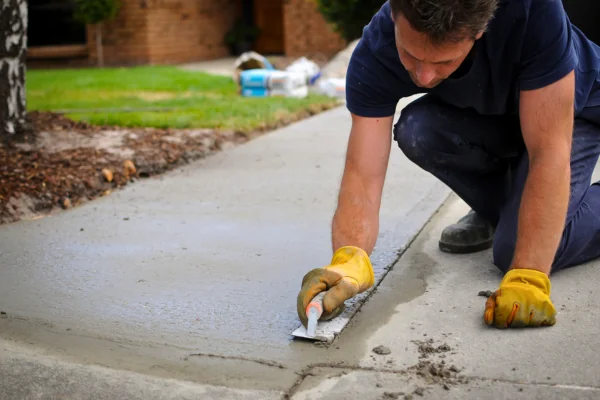
Tools and Materials You’ll Need
- Concrete patching compound
- Trowel or putty knife
- Wire brush or grinder
- Caulking gun (for flexible sealants)
- Safety gloves and goggles
Having everything ready will streamline your repair process and guarantee that you achieve a durable fix.
Clean and Prepare the Crack Area
Start by removing dirt, debris, and loose concrete using a wire brush or vacuum. Rinse the area with water and let it dry completely. Clean surfaces help fillers adhere properly for a durable fix.
Fill the Cracks – Types of Fillers
Explore the different types of crack fillers available to restore your driveway’s strength, appearance, and long-term durability.
- Concrete crack filler for small cracks
- Epoxy injection for structural cracks
- Polyurethane sealant for flexibility and moisture resistance
- Liquid cement or asphalt patch for larger or deeper cracks
Smooth, Seal, and Cure
Use a trowel to smooth the filled area evenly with the surrounding concrete. After smoothing, apply a quality concrete sealer to protect from moisture, stains, and temperature changes. Allow the repair to cure fully, following product instructions, for long-lasting durability.
Safety Tips When Working with Concrete Products
When tackling how to repair a cracked concrete driveway, it’s crucial to prioritize safety to protect yourself and secure a successful project. Here are some essential safety tips to keep in mind:
- Wear gloves to protect your skin from chemicals
- Use safety goggles to shield your eyes from dust and debris
- Ensure good ventilation when using chemical sealers
- Consider a dust mask when grinding or sanding
- Follow the manufacturer’s instructions carefully
Best Products for Concrete Crack Repair
Choosing the right crack filler or sealant ensures an effective way to fix cracks in concrete driveway, with long-lasting results. Explore top-rated products for patching, sealing, and restoring concrete surfaces.
Top Crack Fillers and Sealants
Choosing the right repair product can make all the difference in durability and finish. Here are some top-performing picks:
- Sika Crack Flex Sealant – Flexible, weather-resistant, and ideal for horizontal cracks.
- Rust-Oleum Concrete Patch – Great for patching large surface gaps and quick repairs.
- Quikrete Concrete Crack Seal – Easy-to-use pourable formula for narrow driveway cracks.
- DAP Liquid Cement Crack Filler – Dries quickly and blends well with gray concrete.
- Henry 625 Roof Patch – Multipurpose sealant also suitable for sealing foundation or wall cracks.
When to Use Epoxy vs Polyurethane
How do you decide between epoxy and polyurethane for your concrete driveway crack repairs? If you’re dealing with wider cracks or heavy traffic areas, epoxy’s strength and durability make it ideal. On the other hand, if you need flexibility and quick curing, polyurethane is your best bet. Consider the specific conditions of your driveway to choose the right product for effective repairs.
Surface Coatings for Extra Protection
Applying surface coatings extends your driveway’s life by resisting weathering and wear. Below are coatings that help keep your driveway looking great and protected year-round.
- Acrylic sealers
- Epoxy coatings
- Polyurethane sealers
- Concrete stains
- Waterproof membranes
Professional Repair vs DIY: What’s Right for You?
Deciding between professional repair and a DIY approach on how to repair your cracked driveway hinges depends on several factors. Weigh your options carefully to choose the best repair approach.
Cost Comparison
When weighing the costs of repairing driveway cracks, you have two main options: hiring a professional or tackling the job yourself. You can save up to 90% on concrete driveway repair costs by handling minor cosmetic fixes yourself—like using a $10–$150 patch kit for potholes or a crack sealer under $15—though structural repairs should always be left to a professional. Consider these factors:
- Professional expertise
- Cost of materials
- Time investment
- Quality of work
- Long-term durability
Time and Labor Considerations
DIY projects may take a full weekend or longer, especially for beginners. Professionals in Murfreesboro can complete repairs quickly, saving you time and hassle.
Benefits of Hiring Concrete Driveway Pros in Murfreesboro
When it comes to lasting quality and reliability, hiring a concrete contractor is a smart investment. Here’s why:
- Expert diagnosis of underlying issues ensures long-term performance.
- Access to specialized tools and materials leads to better craftsmanship.
- Time-saving and convenient, especially for busy homeowners.
- High-quality, durable results add curb appeal and value.
- Work warranties for peace of mind protect your investment for years.
Preventing Future Driveway Cracks
Protect your driveway with smart habits, proper sealing, and seasonal maintenance. These proactive steps significantly reduce cracking and extend the lifespan.
Sealing and Waterproofing
Sealing and waterproofing your concrete driveway can significantly extend its lifespan and prevent future cracks. By applying a high-quality sealant, you protect against moisture, chemicals, and temperature changes. Clean the driveway before sealing and reapply every few years.
Proper Drainage and Slope
To prevent future driveway cracks, proper drainage and slope are crucial. Ensure your driveway slopes away from your home to avoid water pooling. Correct low spots and install drainage channels if needed to protect the concrete from moisture damage.
Seasonal Maintenance Tips
To extend the life of your driveway and keep it looking its best, consistent care is essential. Follow these key practices year-round:
- Seal cracks promptly to prevent water infiltration.
- Remove debris regularly to reduce surface wear.
- Apply sealant annually for added protection.
- Trim back vegetation near the driveway to prevent root damage.
- Clear snow and ice to avoid freeze-thaw cracks.
Ready to Fix Your Concrete Driveway?
Are you ready to learn how to repair your cracked concrete driveway and enhance your home’s curb appeal? Repairing your driveway doesn’t have to be daunting. By understanding the causes of cracks and assessing their severity, you can choose the right repair method—whether DIY or professional.
With the right approach and materials, plus timely maintenance, your driveway will stay strong, safe, and visually appealing for years to come. Don’t let cracks worsen—take action now to protect your investment. Gather your tools or contact our Murfreesboro Concrete Driveway Repair Specialists for a free estimate.
Frequently Asked Questions
1. What’s the easiest way to fix a crack in a concrete driveway?
Clean the crack, remove debris, and fill it with a driveway repair filler. Smooth with a trowel, let it cure, then apply a sealant. Acting quickly prevents further damage and helps extend your driveway’s lifespan with minimal effort.
2. Can I use concrete caulk or patching compound for driveway cracks?
Yes—use concrete caulk for small, flexible cracks and patching compound for wider or deeper gaps. Choosing the right type based on crack size ensures a longer-lasting repair and better resistance to weather changes or ground movement.
3. How long does it take for repairs to cure fully?
Most fillers cure in 24–48 hours for light use, but full strength takes several days. Cure times depend on weather, product type, and application thickness. Avoid driving over the repair until it’s fully hardened to prevent damage.
4. Should I seal my driveway after repairing cracks?
Absolutely. Sealing protects against moisture, dirt, and freeze-thaw cycles, and enhances appearance. Wait until repairs are fully cured, then apply a quality sealant for long-term protection and a smooth, finished surface.
5. How much does professional concrete driveway repair usually cost?
Costs range from $300 to $1,000, depending on damage size and location. Complex repairs may cost more. Always get multiple quotes and check for warranties to ensure a reliable and budget-conscious choice.
6. Will weather conditions affect my driveway repair?
Yes—cold, heat, humidity, or rain can impact curing and product performance. Schedule repairs during mild, dry weather for the best results and stronger, longer-lasting patches that won’t crack or peel prematurely.
7. How long can I expect a concrete driveway repair to last?
Quality repairs can last 5–10 years or more with routine maintenance. Factors like weather, soil movement, and traffic affect longevity, so resealing regularly and addressing new cracks early help extend its life.