Skip to content
 A garden retaining wall does more than hold back soil, it protects your landscape, shapes your outdoor space, and supports long-term property value. Choosing the right material is critical, especially when the wall must withstand weather changes, soil pressure, and time itself.
While many materials promise durability, concrete consistently delivers strength, versatility, and lasting performance. Homeowners who understand why concrete excels can avoid costly repairs, reduce maintenance, and create outdoor spaces that are both functional and visually appealing. With the right design and installation approach, a concrete retaining wall becomes a permanent asset, not a future problem.
A concrete garden retaining wall offers unmatched durability, resisting weather and wear without costly upkeep. Its affordability makes it a wise long-term investment, while design flexibility ensures it complements your outdoor space. But what makes concrete truly superior to other materials, and how can you guarantee your wall looks appealing while performing effectively?
Let’s take a closer look at these specifics now!
What Makes Concrete the Most Durable Material for Outdoor Structures?
Concrete is the ultimate choice for outdoor structures. Its strength resists weather, moisture, and soil pressure, keeping outdoor retaining walls secure and lasting beautifully.

How Concrete Handles Weather, Moisture, and Soil Pressure
Concrete’s dense composition blocks water infiltration, preventing erosion. A concrete garden or landscape retaining wall withstands heavy soil loads and temperature fluctuations, ensuring long-term durability and stability.
The Long-Term Cost Advantages of Choosing Concrete for Your Wall
When evaluating retaining wall options, it’s essential to assess the long-term cost advantages of concrete. Unlike wood, which may rot, or masonry, which can crack, concrete offers durability that saves you money over time. By investing in concrete now, you’ll avoid frequent repairs and replacements later.
Cost Comparison Against Wood and Masonry Options
Choosing concrete for your garden support wall can provide significant long-term cost advantages over wood and masonry options. While wood may seem cheaper up front, it often requires frequent replacement and maintenance. Masonry can be expensive to install. Concrete, however, offers durability and minimal upkeep, making it a wise investment that saves you money over time. You’ll appreciate the reduced financial burden!
Design Flexibility: How Concrete Supports Modern Outdoor Living Spaces
Concrete offers incredible design flexibility that enhances modern outdoor living spaces in numerous ways. You can shape it into various forms and sizes, enabling creative designs that suit your style. Whether you want sleek lines or rustic textures, concrete can do it all. Its ability to integrate with other materials also enables you to create unique outdoor environments tailored to your vision.
A Homeowner’s Guide to Building a Strong, Safe Wall With Concrete
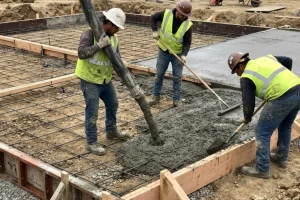
Knowing how to build garden retaining wall projects with concrete is key to success. Smaller walls can often be managed by confident DIY homeowners with the right tools and preparation. For larger or more complex structures, however, hiring a professional ensures safety, durability, and long-term performance. Choosing the right approach helps you achieve both aesthetic appeal and reliable strength in your outdoor space.
When to DIY and When to Call a Professional
Deciding whether to tackle a garden retaining wall project yourself or hire a professional can feel overwhelming. If you’re confident in your skills and the wall is small, DIY might be the way to go. However, if the wall’s height exceeds four feet, or you’re unsure about drainage and soil pressure, it’s best to consult an expert for safety and durability.
Although concrete is an incredibly durable material, proper installation is essential to ensure safety and long-term performance. Professional retaining wall contractors understand soil composition, drainage requirements, load limits, and local building codes, factors that directly affect wall stability. Improper footing depth, inadequate drainage, or poor reinforcement can lead to cracking, leaning, or failure over time.
Experienced professionals design walls that manage water flow, resist soil pressure, and integrate seamlessly with your landscape. They also have access to specialized tools and materials that ensure clean finishes and structural integrity. Hiring experts protects your investment and delivers results built to last.
Comparing Concrete Walls to Other Materials: Strength, Upkeep, and Aesthetics
Choosing the right material for your outdoor support wall involves weighing the strengths, maintenance needs, and visual appeal of various options. Concrete walls offer unmatched strength and durability and require minimal upkeep, unlike wood or stone, which can rot or crack. Aesthetically, concrete can be customized with finishes and colors, allowing you to create a wall that complements your garden’s style beautifully.
How Concrete Retaining Structures Improve Garden Health and Usability
Concrete retaining walls can transform your garden layout, creating distinct zones for planting, relaxation, and play. With these structures, you can maximize your yard space by incorporating innovative designs that enhance both aesthetics and functionality. You’ll learn how to leverage elevation changes to your advantage, making your garden not just beautiful but also more usable.

Creative Layout Ideas to Maximize Yard Space
Transforming your garden with creative layout ideas can greatly maximize yard space while enhancing its overall usability. Consider raised beds for efficient planting, using vertical gardens to save ground space. Incorporate pathways that encourage exploration, and cluster plants for an inviting look. Use concrete retaining walls to create tiered levels, allowing for varied planting zones and improved drainage, ultimately optimizing your garden’s potential.
The Environmental Benefits of Using Concrete for Elevated Garden Spaces
When you consider elevated garden spaces, the environmental advantages of using concrete become clear. Concrete is durable and long-lasting, reducing the need for frequent replacements. It also minimizes soil erosion, helping to preserve local ecosystems. Plus, many concrete products incorporate recycled materials, making them a sustainable choice. By opting for concrete, you’re not only enhancing your garden but also benefiting the environment.
Why Concrete Is Ideal for a Garden Retaining Wall That Must Withstand Weather Changes
Concrete is a solid choice for a garden retaining wall that endures fluctuating weather conditions. It’s resistant to moisture, frost, and heat, ensuring it won’t crack or warp over time. You won’t have to worry about rot or pest damage, making it a durable option. A garden retaining wall using concrete will maintain its integrity through rain, snow, and sun.
Pros and Cons of Building a Garden Barrier With Concrete
A concrete garden retaining wall is a long-term investment in both beauty and stability, but only when it’s designed and built correctly. Whether you’re leveling a sloped yard, preventing erosion, or creating a more functional outdoor space, professional guidance makes all the difference. With expert planning, proper drainage, and quality materials, your retaining wall can enhance your garden for decades.
When building garden retaining walls, concrete is often a reliable option. Its durability and versatility make it appealing, but weighing both advantages and drawbacks helps homeowners make informed choices:
Pros
- Highly durable and long-lasting, standing up to weather, erosion, and environmental stress
- Provides excellent structural support for soil and landscaping features
- Can be molded, shaped, or stacked to suit a variety of garden styles
- Low maintenance compared to some other materials
Cons
- Heavy, which can make installation challenging without the right tools or help
- Prone to cracking over time, potentially requiring repairs
- Appearance can feel plain unless enhanced with textures, patterns, or finishes
By weighing these factors, you can decide if concrete is the perfect fit for your garden.
Don’t leave such an important structure to guesswork. Contact a trusted retaining wall specialist today to explore design options, get a professional assessment, and build a solution that’s strong, safe, and made to endure.
Will Concrete Still Be the Best Choice in the Future? Material Trends to Watch
Evaluating the future of a garden retaining wall using concrete highlights exciting trends in landscaping and construction. Sustainable materials and innovative technologies are gaining traction, with options such as rammed earth and recycled composites entering the conversation. Yet, concrete’s unmatched durability and design versatility continue to make it a leading choice. Staying aware of these developments ensures you select a solution that balances longevity, aesthetics, and environmental responsibility.
Practical Examples of Concrete Walls That Transform Outdoor Spaces
You won’t believe the stunning transformations concrete walls can bring to your outdoor spaces. Let’s explore some inspiring projects that highlight the potential of landscaping with retaining walls made of concrete.
Before-and-After Transformations
A concrete retaining wall can dramatically change the look and function of your outdoor space. What may begin as a plain, uneven yard can quickly become a polished, structured landscape. Consider these transformative benefits:
- Enhanced Aesthetics: A sleek wall creates tiered gardens, adding depth and visual appeal.
- Improved Functionality: Sloping areas become usable spaces for planting, seating, or pathways.
- Erosion Control: Concrete prevents soil displacement, protecting your garden’s integrity.
- Long-Term Durability: Unlike wood or stone, concrete resists weathering and requires minimal upkeep.
- Property Value Boost: A well-designed wall elevates curb appeal and increases resale potential.
Final Thoughts on Concrete Retaining Walls
Choosing concrete for your garden retaining wall is a wise investment that combines durability, cost-effectiveness, and design flexibility. It not only withstands the elements but also enhances your outdoor aesthetics. With minimal maintenance and the ability to reduce soil erosion, concrete truly supports your landscaping needs. By opting for this versatile material, you’re ensuring a strong, safe, and stylish addition to your garden that will last for decades.
Don’t guess – build with confidence.
Talk to our team of retaining wall specialists and discover the safest, most durable solution for your property.
FAQ
Have questions about using concrete for garden retaining walls? You might wonder about its cost, installation process, or maintenance requirements.
1. How long does a concrete retaining structure typically last?
Concrete retaining structures can offer impressive longevity, typically lasting anywhere from 30 to 50 years with proper installation and maintenance. By using high-quality materials and following best practices during construction, you can maximize your wall’s lifespan. Regular inspections and minor repairs can further extend its durability, making concrete a reliable choice for long-term garden stability and support.
2. Is concrete suitable for DIY projects?
When it comes to DIY projects, concrete can be a fantastic choice for those looking to enhance their gardens with durable features. It’s versatile and can be molded into various shapes, making it perfect for retaining walls. With the right tools and preparation, you can successfully tackle a concrete project. Plus, the satisfaction of creating something lasting is truly rewarding!
3. What maintenance does a concrete wall require?
Maintaining a concrete wall is essential for preserving its strength and appearance over time. Regularly inspect for cracks or signs of wear and fill them promptly. Clean the surface with a pressure washer to remove dirt and algae. Applying a sealant every few years helps protect against moisture and staining. Finally, guarantee proper drainage around the wall to prevent water damage.
4. Can concrete be styled to match natural surroundings?
Styling concrete for garden retaining walls can seamlessly blend with your natural surroundings. You can achieve this by using textured finishes or stains that mimic stone or wood. Incorporating natural colors will enhance the aesthetic appeal, while adding decorative elements like plants or stones can create harmony. With the right design choices, your concrete wall can complement and elevate your garden’s beauty.
5. Does concrete help reduce erosion on sloped terrain?
Concrete plays a significant role in reducing erosion on sloped terrain. Creating a sturdy barrier it stabilizes the soil and prevents runoff during heavy rains. This minimizes the risk of mudslides and soil loss, allowing your garden to flourish. With proper drainage, concrete walls can effectively manage water flow, further enhancing their erosion control capabilities. You’ll appreciate the long-lasting protection they provide.
Final Thoughts on Concrete Retaining Walls
Choosing concrete for your garden retaining wall is a wise investment that combines durability, cost-effectiveness, and design flexibility. It not only withstands the elements but also enhances your outdoor aesthetics. With minimal maintenance and the ability to reduce soil erosion, concrete truly supports your landscaping needs. By opting for this versatile material, you’re ensuring a strong, safe, and stylish addition to your garden that will last for decades.
Don’t guess – build with confidence.
Talk to our team of retaining wall specialists and discover the safest, most durable solution for your property.