Skip to content
 Brushed concrete is a textured concrete finish created by brushing fresh concrete to add grip and a clean, understated look. It is widely used in outdoor spaces where safety, durability, and consistency matter more than decorative detail. There is a wide range of brushed concrete design options available to improve your home’s curb appeal.
This finish is especially popular for driveways, walkways, patios, and pool areas because it provides traction underfoot while remaining easy to clean and maintain. Unlike heavily patterned surfaces, brushed concrete maintains a simple, even appearance as it ages.
In Middle Tennessee, surface preparation and curing are especially important. Heavy rain, clay-rich soils, summer heat, and freeze-thaw cycles all affect how textured concrete performs over the long term when installed correctly.
Local project example: A residential driveway in Murfreesboro was finished with medium brushed texture and directional lines to improve drainage while maintaining a uniform appearance.
Let’s take a deeper dive now!
What is brushed concrete?
Brushed concrete is a concrete surface finish designed to improve traction while keeping a smooth, controlled look. The brushed concrete texture is created during installation, not added later as a coating or overlay.

Key takeaways
- A brushed concrete finish adds surface texture for better grip
- The texture is formed while the concrete is still workable
- It works well for function-first areas while still offering a clean visual appeal
How the brushed concrete design finish is made
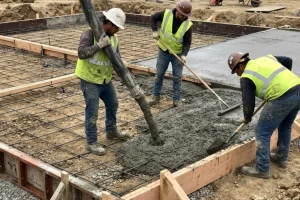
After concrete is poured and leveled, the surface is allowed to firm up slightly. When it reaches the right stage, a brush is pulled across the surface in a consistent direction. This creates shallow lines that increase traction without making the surface uncomfortable. Edges and joints are finished, and the concrete is then cured to protect the surface as it hardens.
Brushed concrete texture: what it looks like and how it is controlled
Texture depends on brush type, timing, and technique. A softer brush creates a finer brushed concrete texture, while stiffer bristles create deeper lines. Directional brushing adds subtle visual flow and can help guide water away from structures. Proper timing prevents surfaces from becoming too rough or too smooth, both of which reduce performance.
Where brushed concrete works best and where it does not
Brushed or stained concrete offers versatile applications, but knowing where it excels and where alternatives perform better helps ensure lasting performance and aesthetic appeal.
Best uses by area
- Driveways: Brushed concrete driveways provide reliable traction for vehicles and foot traffic, especially during rain. The surface remains tire-friendly and wears evenly over time.
- Walkways and steps: Slip resistance makes concrete with brushed finish ideal for paths and steps where safety is a priority.
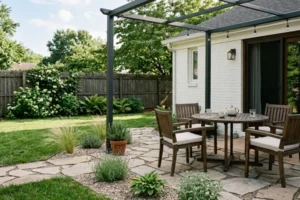
- Patios: The finish offers comfort underfoot and a clean appearance that complements many outdoor layouts.
Where another finish may be better
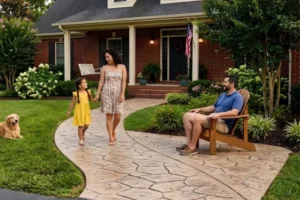
Stamped concrete may be a better option for areas where a stone or tile appearance is the main goal. Exposed aggregate or decorative finishes may also suit spaces that rely more on visual contrast than on function.
Brushed concrete design vs stamped concrete design: which should you choose?
Homeowners often weigh durability against design when selecting finishes. The decision ultimately depends on priorities, making brushed vs. stamped concrete a key comparison.
Quick comparison
| Feature | Brushed | Stamped |
| Look and style | Clean and understated | Decorative and patterned |
| Slip resistance | High | Varies |
| Maintenance | Simple | More involved |
| Durability expectations | Consistent | Pattern wear possible |
| Repair visibility | Less noticeable | More noticeable |
| Best for | Functional surfaces | Decorative spaces |
Decision checklist
- If traction and easier upkeep matter most, brushed is the better choice
- If decorative pattern and stone appearance matter more, stamped may fit
- Shaded or frequently wet areas often favor brushed surfaces
- Showpiece patios may lean toward stamped finishes
Local rain patterns and temperature changes make proper curing and traction especially important in this region.
Brushed concrete driveway planning
Planning a brushed or stained concrete driveway involves balancing design, durability, and functionality to ensure long‑lasting performance and curb appeal.
Design and functionality choices
Driveway performance depends on proper thickness, reinforcement, and base preparation. Slope planning prevents water from pooling near garages or entry points. Control joints are placed carefully to manage natural cracking and keep the surface uniform. These design choices ensure both functionality and aesthetics, making this non-slip concrete finish a reliable option for residential driveways.
Common driveway problems brushed concrete helps with
Brushed concrete improves grip in the rain, reducing slick spots and enhancing safety. It maintains a consistent appearance even under heavy use. This finish pairs well with staining or color treatments, boosting curb appeal without sacrificing function. By addressing common driveway issues, stained concrete offers homeowners a practical, attractive solution for long‑term performance and style.
How long does brushed concrete last in Middle Tennessee conditions
The lifespan of a concrete with brushed finish depends on preparation, drainage, curing, and sealing, especially under Tennessee’s shifting weather and soil conditions.
What impacts lifespan most
Surface longevity depends on base preparation, drainage control, curing practices, and sealing routines. Clay soils require proper compaction, while heavy rain makes drainage planning essential. Heat and cold shifts make curing protection especially important.
Preventing common issues
- Proper joint placement
- Avoid rushing the finishing process
- Protect the surface during early curing
- Seal when conditions call for it
Coloured brushed concrete, staining, and painting
For lasting results, integral color and staining often outperform paint. Paint can work in limited situations but requires careful preparation. When considering options, brushed vs. stamped concrete also plays a role in achieving the right balance of durability, texture, and appearance for outdoor surfaces.
Colored brushed concrete
Integral color is mixed into the concrete for a consistent appearance throughout. Topical color is applied to the surface. Colored brushed concrete works well for driveways, borders, and walkways where a uniform tone is preferred.
Staining brushed concrete
Stain enhances natural tone variation and works well with brushed texture. It adds depth without hiding surface character. Periodically staining brushed concrete helps maintain the look.
Painting brushed concrete
Painting brushed concrete can suit porches or low-traffic areas. It often fails on driveways due to moisture and wear. Proper cleaning, surface prep, and exterior-rated products are essential. High traffic and moisture issues usually make paint a poor choice.
Installation timeline and curing
Finding the best brushed concrete design for your home is a big step toward improving home curb appeal. Understanding the installation timeline and curing process helps ensure brushed concrete develops proper strength, texture, and durability, especially when weather conditions can affect performance.
Typical stages
Brushed concrete installation follows a clear sequence that supports surface strength, texture quality, and long-term performance when each stage is handled carefully and in the proper order.
- Site evaluation and preparation include grading, base compaction, and drainage planning to create a stable foundation for the concrete surface.
- Concrete placement and finishing involve pouring, leveling, and brushing at the right time to achieve a consistent texture and proper traction.
- Surface protection and use guidance help prevent early damage during the curing period.
Understanding curing in heat and cold
Concrete sets when it firms up, but cures as it gains strength over time. Driving on it too soon can damage the surface. Weather planning helps avoid issues caused by rain, heat, or cold snaps common to the region.
Related content: Modern Stamped Concrete Patterns: A Guide to Stylish and Durable Surfaces
Maintenance and care for brushed concrete texture
Proper maintenance helps brushed concrete retain traction, appearance, and durability over time, especially in outdoor areas exposed to moisture, shade, and regular foot or vehicle traffic.
Cleaning best practices
Regular, gentle cleaning removes dirt and organic buildup, helping brushed concrete remain safe, visually consistent, and slip-resistant.
Sealing guidance
Sealing protects brushed concrete from moisture and stains, helping preserve appearance, reduce wear, and extend performance in high-traffic areas.
Small repairs before they grow
Early attention to small cracks and joints prevents moisture intrusion, surface damage, and costly repairs as brushed concrete ages naturally.
Why hire a local contractor instead of taking shortcuts

Hiring a local contractor ensures accountability, familiarity with regional conditions, and reliable workmanship. It’s a smarter choice than shortcuts that risk costly mistakes.
What professionals handle well
Skilled contractors manage every stage with precision, from preparing the base and timing the brushing to ensuring proper drainage and accurate joint placement. Their expertise guarantees a consistent texture and long‑lasting finish, reducing risks of uneven surfaces or premature damage while delivering dependable, professional results.
What to ask when comparing quotes
- What preparation is included
- How slope and drainage are handled
- What curing protection is used
- Which sealer options are recommended and why
Send photos for a ballpark estimate, including surface size, visible issues, and finish preference.
FAQ for Brushed Concrete Design
1. What is brushed concrete?
Brushed concrete is a surface finish created by brushing fresh concrete to add texture, improving traction while maintaining a clean, simple appearance.
2. Is brushed concrete good for a driveway?
Brushed concrete works well for driveways because it provides strong traction, wears evenly, and requires less maintenance than many decorative finishes.
3. How is a brushed concrete finish made?
The finish is created by brushing freshly placed concrete at the right time, forming shallow lines for grip.
4. How rough is the brushed concrete texture?
Brushed concrete texture ranges from fine to medium and depends on the brush type, timing, and finishing technique used.
5. Which lasts longer, brushed or stamped concrete?
Both finishes can last well, but brushed concrete often hides wear better and is simpler to maintain over time.
6. Can you stain brushed concrete?
Yes, brushed concrete can be stained to add color variation while preserving texture, offering a natural look with proper sealing.
7. Can you paint brushed concrete, and what lasts on driveways?
Paint generally performs poorly on driveways due to traffic and moisture, but may work in low-traffic, well-prepared areas.
8. Is colored brushed concrete better than stain?
Colored brushed concrete provides a consistent tone throughout, while stain offers variation, so the choice depends on design preference.
9. How long does concrete take to cure in Tennessee weather?
Concrete curing time varies with temperature and moisture, with strength developing gradually rather than immediately after surface hardening.
10. How do I keep brushed concrete clean and grippy?
Routine cleaning, good drainage, and sealing when appropriate help brushed concrete stay clean, maintain traction, and age evenly.