Skip to content
 Choosing between a concrete or asphalt driveway is a common decision for homeowners planning an upgrade. The concrete vs. asphalt driveway debate can get quite heated in the local area. Both materials offer practical benefits, but each performs differently over time. The right choice depends on your priorities, including budget, appearance, and long-term value. Understanding how each option compares can help you make a more confident decision.
This guide provides a clear overview of asphalt and concrete driveway options, helping you evaluate which delivers better return and lasting performance. Let’s take a closer look now!
Concrete vs. Asphalt Driveway: A Quick Comparison for Tennessee Homes

When comparing concrete and asphalt, it helps to look at the broader differences that affect everyday use and long-term value. Both materials serve the same purpose, yet they vary in durability, maintenance needs, and overall appearance. These factors influence how well the driveway holds up and how much value it adds to your home.
Key Differences at a Glance
Concrete is known for its clean appearance and long-lasting surface. It typically requires less frequent upkeep but may involve a higher initial investment. Asphalt, on the other hand, is more flexible and often easier to install. It may need more regular maintenance, but it can be more affordable upfront. The choice between a cement or asphalt driveway often comes down to balancing immediate cost with long-term performance and visual appeal.
Average Cost Comparison: Asphalt vs. Concrete Driveways
Cost plays a major role when choosing between an asphalt or concrete driveway. While both options require an initial investment, the total cost over time can vary based on maintenance and repairs.
Upfront Installation Costs
Asphalt driveways are generally more budget-friendly upfront. They are quicker to install and require fewer materials. Concrete driveways tend to have higher upfront costs due to materials and labor. However, this initial expense can be balanced by long-term durability and reduced maintenance.
Long-Term Maintenance and Repair Costs
Over time, asphalt may require more frequent attention, including sealing and minor repairs. These ongoing costs can add up. Concrete driveway or patio usually requires less frequent maintenance, but repairs are more noticeable when they are needed. When considering total investment, it is important to look beyond installation costs and consider how each material performs over time.
Durability and Lifespan: Which Driveway Lasts Longer in Tennessee’s Climate?

There is no one simple answer for the asphalt vs. concrete driveway discussion as many factors come into play- durability and lifespan especially.
Durability is an important factor when choosing a side in the concrete vs. asphalt driveway discussion. Weather conditions can influence how each material performs over time. Temperature changes, moisture, and daily use all play a role in how long a driveway lasts.
Concrete is generally more resistant to wear and can maintain its structure for many years with proper care. It handles heavy loads well and does not soften under heat. Asphalt, however, is more flexible, which can help it adjust to slight ground movement. At the same time, it may soften in warmer conditions and develop surface issues more quickly.
Maintenance Requirements and Ongoing Care
Proper maintenance helps extend the life of any driveway. Understanding the upkeep needs of each option can help homeowners plan ahead and avoid unnecessary repairs.
Asphalt Maintenance Routine
Asphalt requires ongoing maintenance to hold up over time. Sealcoating is typically needed every 2–3 years to protect against moisture, UV exposure, and surface wear. Cracks should be filled as soon as they appear, since water intrusion can quickly lead to base damage and potholes. Regular cleaning and keeping edges clear of grass or debris also help prevent premature breakdown. Without consistent upkeep, asphalt surfaces tend to deteriorate faster and require more frequent repairs.
Concrete Maintenance Needs
Concrete is more durable day-to-day but still benefits from periodic maintenance. Sealing every few years helps protect against stains, moisture penetration, and surface wear, especially in freeze-thaw climates. Cleaning with a pressure washer or mild detergent keeps the surface looking consistent, and addressing small cracks early helps prevent expansion over time. While maintenance is less frequent than for asphalt, neglect can still lead to discoloration, surface scaling, or cracking.
Curb Appeal and Property Value Impact
A well-constructed driveway contributes to the overall look of a home. When comparing concrete and asphalt, appearance and design flexibility can influence both satisfaction and property value.
Visual Differences and Design Flexibility
Concrete offers a more polished and uniform appearance. It can also be customized with various finishes to match a home’s style. Asphalt has a simpler, darker look that blends well with many properties. While it offers fewer design options, it still provides a clean and functional surface.
Which Surface Adds More Resale Value?
Both materials can support property value when properly maintained. Concrete may appeal more to buyers seeking a long-lasting and visually refined surface. Asphalt can still add value, especially when it is well-maintained and fits the home’s overall style. The final impact often depends on the condition and overall presentation.
Concrete vs. Asphalt Driveway- Installation Process and Timeline

Understanding the installation process for asphalt vs. concrete driveways can help homeowners plan their projects more effectively. Both materials follow different steps, which can affect timing and overall experience.
Asphalt Installation
Asphalt installation is a fast, multi-step process, but the prep work still matters. It starts with grading and compacting a stable base, usually crushed stone, to support the surface. Hot asphalt is then laid and compacted with a roller to create a smooth, even finish.
One advantage is speed. Most asphalt driveways can be installed in 1–2 days and are often ready for light use within 24–48 hours. That said, asphalt continues to cure and harden over several months, so heavy loads should be avoided early on. Proper compaction and drainage during installation are critical. If those are rushed, the surface can develop ruts, dips, or early cracking.
Concrete Installation
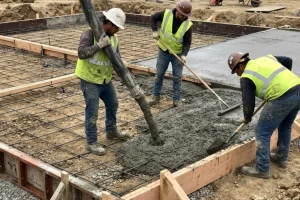
Concrete installation is more time-intensive and less forgiving if done incorrectly. After site prep and base compaction, forms are set to define the shape, and reinforcement (like rebar or wire mesh) is often added for strength. The concrete is then poured, leveled, and finished based on the desired texture or appearance.
Curing is the key difference. Concrete needs time to gain strength, which typically takes several days before light use and up to 28 days to fully cure. During this period, moisture control is important to prevent cracking. While the timeline is longer, proper installation and curing are what give concrete its long-term durability and resistance to heavy loads.
Which Surface Performs Better for ROI?
Return on investment comes down to what you spend upfront, what you’ll spend over time, and how long the surface holds up. Asphalt typically costs less to install, which makes it appealing in the short term. Concrete requires a higher initial investment but often lasts longer and needs less frequent upkeep.
Over time, asphalt may require sealing every few years and more frequent repairs, which can add up. Concrete generally has lower ongoing maintenance, but driveway resurfacing can be more expensive if damage does occur. In colder climates, both materials are affected by freeze-thaw cycles, but installation quality plays a major role in how well each performs.
From a resale standpoint, both can add value if properly maintained, though concrete is often viewed as a more permanent, higher-end finish. The better option depends on whether you prioritize lower upfront cost or longer-term durability with fewer maintenance demands.
How to Choose the Right Option for Your Home
Choosing between a concrete or asphalt driveway involves evaluating your needs, preferences, and long-term plans. A clear approach can simplify the decision-making process as you consider all options, drawbacks, and use factors for concrete vs. asphalt driveways.
Step-by-Step Decision Guide
Start by considering your budget and how much you are willing to invest upfront. Next, think about maintenance expectations and how much time you can dedicate to upkeep. Consider the appearance you prefer and how it fits with your home’s overall style. Finally, evaluate long-term goals, including how the driveway may impact property value.
When to Choose Concrete
Concrete is often the better choice for homeowners seeking durability and a refined appearance. It works well for those who prefer minimal maintenance and are willing to invest more initially for long-term benefits. It is also a strong option when visual appeal plays a key role in the decision.
FAQs: Concrete vs. Asphalt Driveways for Tennessee Homeowners
1. How much does a concrete vs asphalt driveway cost per square foot in Tennessee?
Costs vary based on materials, labor, and site conditions. Asphalt is usually more affordable during installation, while concrete costs more upfront but may provide better long-term value with fewer maintenance needs.
2. Which driveway lasts longer in Tennessee weather conditions?
Concrete generally lasts longer because it is more durable and resistant to wear. Asphalt can handle movement better but may need more upkeep over time to maintain its condition and appearance.
3. Is asphalt or concrete better for increasing home value?
Both materials can enhance home value when properly maintained. Concrete often creates a more polished look, which may attract buyers seeking durability, while asphalt still offers practical appeal and functionality.
4. How often should I seal my driveway?
Asphalt driveways typically need sealing more often to protect against wear and moisture. Concrete may require less frequent sealing, depending on usage, exposure, and the surface’s overall condition.
5. What is the cheapest driveway option with good ROI?
Asphalt is usually the more affordable choice upfront, making it appealing for budget-conscious homeowners. However, return on investment depends on maintenance, durability, and the driveway’s performance over time.
6. Can I install a driveway without a permit in Tennessee?
Permit requirements vary depending on local regulations. It is important to check with local authorities before starting any project to ensure compliance and avoid potential delays or issues later on.